AD SOLAR HOMEOWNER GUIDE

The solar deal should make sense after the first bill.

Prepaid lease? PPA? Loan? Cash? The right answer starts with the full picture: who owns your system, what you pay over time, and what happens when life changes.

CSLB #1027903Southern California homesSolar + electrical expertise
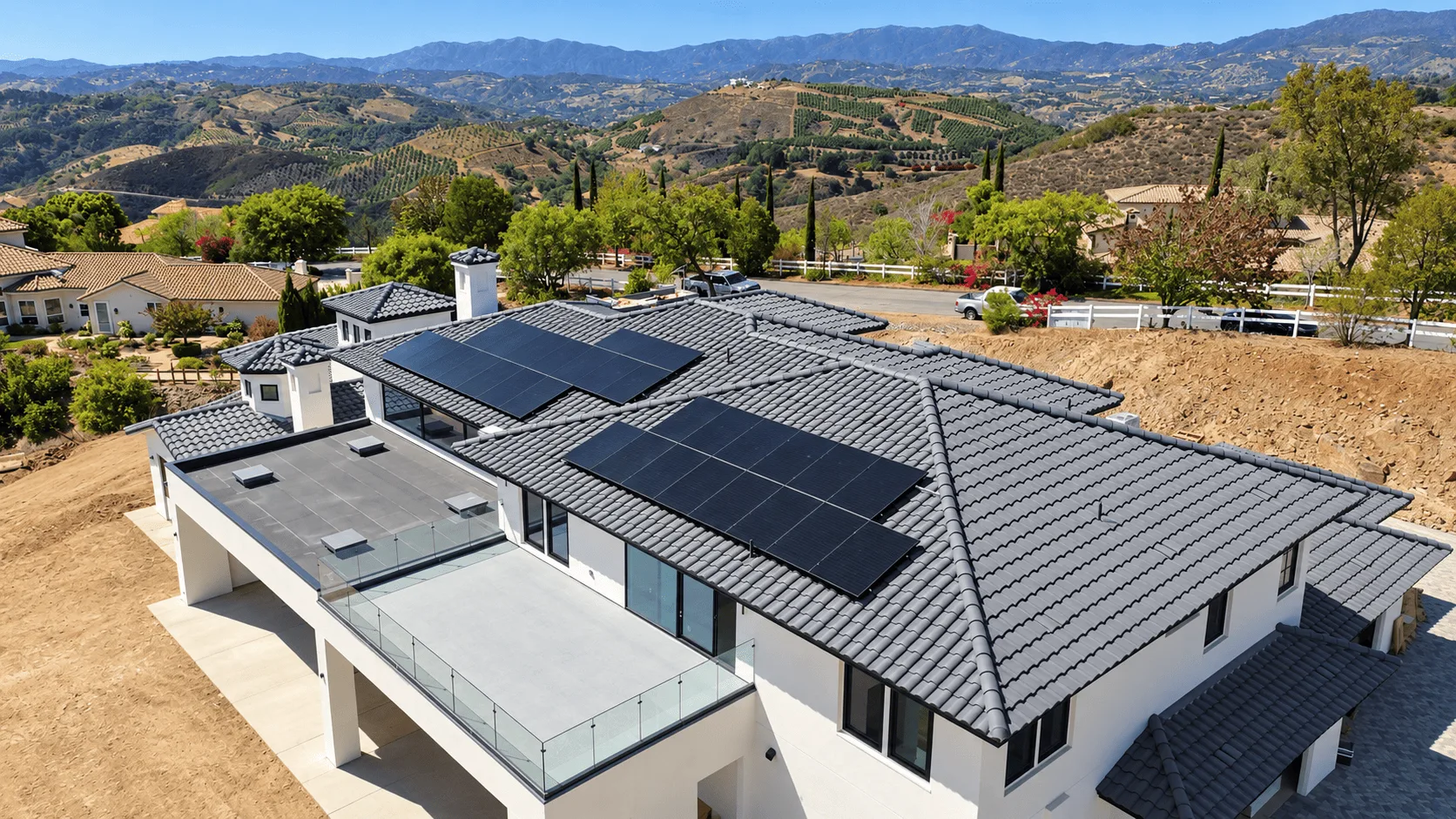
Southern California home with rooftop solar
BEFORE YOU SIGNAsk what happens on year 10, not just day one.See the contract checklist
START WITH THE STRUCTURE

One roof. Different rules.

The most important difference is ownership. A purchase or loan generally makes you the system owner. Under a lease or PPA, a third party generally owns it.

That choice can affect incentives, maintenance, long term cost, and the paperwork needed when you move. Compare the complete agreement, not just the first payment.

01

Who owns it?

Ownership affects control over the equipment and which party may claim ownership based incentives.

02

What do you pay?

Upfront amount, monthly payment, energy rate, annual increases, and utility charges all matter.

03

Who services it?

Read the monitoring, repair, roof work, and performance responsibilities in the contract.

04

What happens later?

Understand renewal, removal, purchase, and home sale terms before signing.

THE CLEAR COMPARISON

Four ways to go solar.
One decision that fits you.

Terms vary by provider and agreement. This is a starting point for asking better questions.

02 / THIRD PARTY OWNED

Solar PPA

Pay for the electricity your system generates at the rate described in your agreement.

  • Usually little or no upfront payment
  • Bill changes with system production
  • Check annual rate increases
  • Read transfer and purchase terms
Discuss this option
03 / HOMEOWNER OWNED

Solar loan

Finance a system you generally own, with payments set by the loan agreement.

  • Compare cash price with financed price
  • Review APR, fees, and total payments
  • You may have ownership based benefits
  • Maintenance is your responsibility
View financing
04 / HOMEOWNER OWNED

Cash purchase

Buy the system outright and avoid a solar financing or lease payment.

  • Highest upfront cost
  • Full ownership and control
  • Plan for service and future equipment needs
  • Review current incentive eligibility
Request a quote

Your utility bill may continue under every option. Savings and eligibility depend on your home, utility tariff, system design, contract, and current law.

Southern California home with rooftop solar panels
THE PART PEOPLE OFTEN MISS

The price on page one is not the whole story.

A low starting payment can look compelling. The better question is what the agreement costs and requires over its full term.

01

Look at the complete payment path.

For a PPA or monthly lease, ask whether rates increase each year. For a prepaid lease, calculate the upfront cost against expected production.

02

Plan for roof work and repairs.

Find out who pays to remove and reinstall panels if the roof needs work, and how service requests are handled.

03

Think about the next owner.

Ask how a buyer can assume, buy out, or end the agreement if you sell your home.
THE PREPAID LEASE, EXPLAINED

What the upfront payment actually buys.

Prepaying a lease is different from buying equipment. These three parts of the agreement determine what you receive.

01 / THE SYSTEM

A provider owns the panels.

The lease provider typically owns the installed equipment for the contract term. You receive the right to use the system and its output under the agreement. Confirm who owns any battery, inverter, and monitoring equipment too.

02 / THE PAYMENT

You pay for the term upfront.

A prepaid agreement typically replaces recurring lease payments with a larger initial payment. Ask for the total due at signing, every possible additional charge, and the expected electricity production used to justify the price.

03 / THE PROMISE

Service terms still matter.

Read the production guarantee, monitoring and repair process, roof access terms, insurance requirements, and what happens if the owner or service company changes during the lease.

THE KEY QUESTIONIf I spend this amount today, what am I guaranteed to receive over the whole term?
Review my options
CHOOSING WITH YOUR EYES OPEN

Which path fits your priorities?

There is no single winner for every home. Your cash budget, expected time in the home, roof condition, and appetite for maintenance all change the answer.

See AD Solar residential installation
IF UPFRONT CASH IS LIMITED

Compare the complete monthly cost.

Review loan payments or PPA rates alongside your remaining utility bill. Ask how each payment changes over the full term.

IF YOU WANT OWNERSHIP

Look closely at cash and loans.

Ownership can provide more control over equipment and future decisions, but it also brings maintenance responsibilities.

IF YOU MAY SELL SOON

Put transfer terms first.

Find out what a future buyer must accept, what a buyout costs, and how long the transfer process can take.

IF YOUR ROOF NEEDS WORK

Resolve the roof plan before solar.

Get clarity on roof life, panel removal and reinstallation, and who pays if repairs become necessary.

BEFORE YOU SIGN

Take these questions to the table.

Ask for written answers you can compare side by side.

01

What is my total cost?

Include upfront payments, rate increases, fees, and any expected utility charges.

02

Who receives the incentives?

Confirm the legal system owner and any promised credit, rebate, or bill benefit.

03

What production is guaranteed?

Check the measurement period, remedy, and exclusions for underperformance.

04

What if I sell?

Read the transfer approval, buyout, and removal provisions.

05

Who handles maintenance?

Understand equipment warranties, labor, monitoring, and roof related work.

06

What happens at the end?

See the renewal, purchase, and removal choices in writing.

BUILT FOR SOUTHERN CALIFORNIA

The contract is only part of the plan.

A strong solar proposal starts with your actual home: roof space, shade, electrical panel, usage pattern, and utility tariff.

AD Solar works across solar installation, battery storage, and electrical upgrades. That lets the conversation start with the system your home needs, then move to the payment options available for that project.

Get a home-specific estimate
01

Start with your bill

Annual usage and time of use patterns help size the system and test the proposal's assumptions.

02

Check the roof

Condition, orientation, shade, and usable area affect design and production.

03

Plan the electrical work

Panel capacity, battery goals, and permitting can change the project scope.

04

Compare real proposals

Use the same system size, estimated production, and contract length when comparing offers.

COMMON QUESTIONS

Good questions make better contracts.

Every proposal has its own terms. Use these answers as a guide, then review the actual documents.

Is a prepaid solar lease the same as buying solar?

No. A prepaid lease generally gives you use of a third party owned system for a defined term. Buying typically gives you ownership of the equipment.

Does a PPA eliminate my utility bill?

Usually no. You may still receive utility bills for grid electricity, fixed charges, and other applicable charges.

Can I get a federal tax credit with a lease or PPA?

Ownership matters. The third party owner generally receives ownership based incentives, if eligible. Ask a qualified tax professional about current rules for your situation.

What if I move before the term ends?

Your agreement may allow transfer to a buyer, a buyout, or another resolution. Check fees, buyer qualification, and timing before signing.

Does AD Solar offer every option shown here?

Availability depends on current financing partners and the project. We can review your goals and tell you which options are available for your home.

A BETTER PLACE TO START

See the solar plan behind the payment.

Tell us about your roof, electric bill, and priorities. AD Solar can help you compare an actual system design and available payment paths for your home.

AD SOLAR · SOUTHERN CALIFORNIADesigned around
your home.

Solar installation · battery storage · electrical expertise

Explore residential solar